India’s skyline is transforming rapidly, and façade design is at the heart of this evolution. From commercial IT parks to luxury residential towers, the focus is no longer just on aesthetics—it’s about performance, sustainability, and innovation. As we move toward 2026, the future of façade design in India is being shaped by advanced materials, smart technologies, and climate-responsive solutions.
Rise of Advanced Building Façade Materials in India
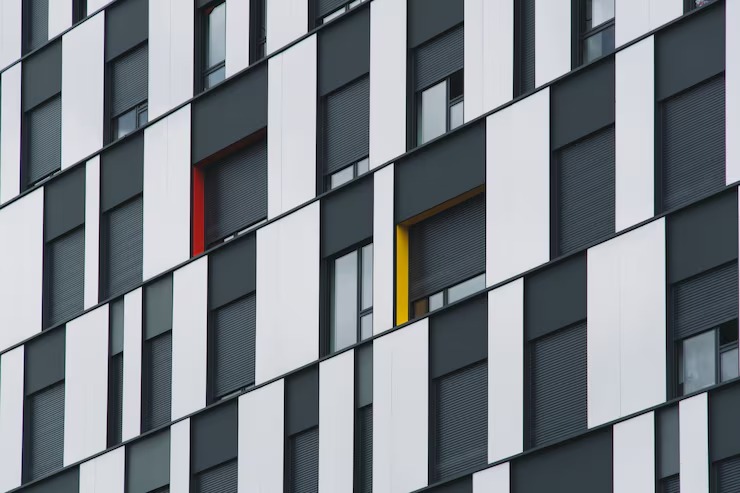
One of the biggest drivers of change is the growing demand for high-performance building façade materials in India. Architects and developers are increasingly choosing materials like aluminium composite panels (ACP), high-pressure laminates (HPL), glass curtain walls, terracotta panels, zinc cladding, and perforated metal sheets. These modern building façade materials in India offer durability, thermal insulation, fire resistance, and aesthetic flexibility.
Additionally, A2 and fire-retardant grade panels are becoming essential due to stricter safety norms. The shift toward energy-efficient glass and ventilated façade systems reflects how façade design is now closely linked to energy performance and occupant comfort.
Sustainable Façade Design Takes Center Stage
With rising awareness around climate change and green building certifications, sustainable façade design is no longer optional—it’s a necessity. Developers are prioritizing shading devices, double-skin façades, and ventilated cladding systems that reduce heat gain and improve indoor air quality.
In India’s diverse climate zones, sustainable façade design strategies vary from region to region. For example, in hotter cities, façades are designed to minimize solar radiation, while in humid regions, moisture-resistant cladding systems are critical. The integration of solar panels into façades is another growing trend, directly contributing to the future of façade design.
Smart Technology & Digital Integration
Technology is redefining façade design like never before. Parametric design tools, Building Information Modeling (BIM), and performance simulation software allow architects to test façade efficiency before construction begins. Smart façades equipped with automated louvers and dynamic glazing systems are gradually entering the Indian market.
The future of façade design will see more integration of IoT-based monitoring systems that track energy usage and environmental performance. These innovations ensure that building façade materials in India are not only visually striking but also intelligent and responsive.
As urbanization accelerates, the demand for innovative façade design will continue to rise. The focus will remain on advanced building façade materials in India, climate-responsive strategies, and cutting-edge sustainable façade design solutions. Ultimately, the future of façade design in India lies in balancing aesthetics, performance, and environmental responsibility; creating buildings that are not just iconic, but efficient and future-ready.