23 - 25 October 2026

HITEX, HYDERABAD

What Are the Latest Wall Cladding Design Trends?

Top Wall Cladding Design Trends Transforming Architecture in 2026

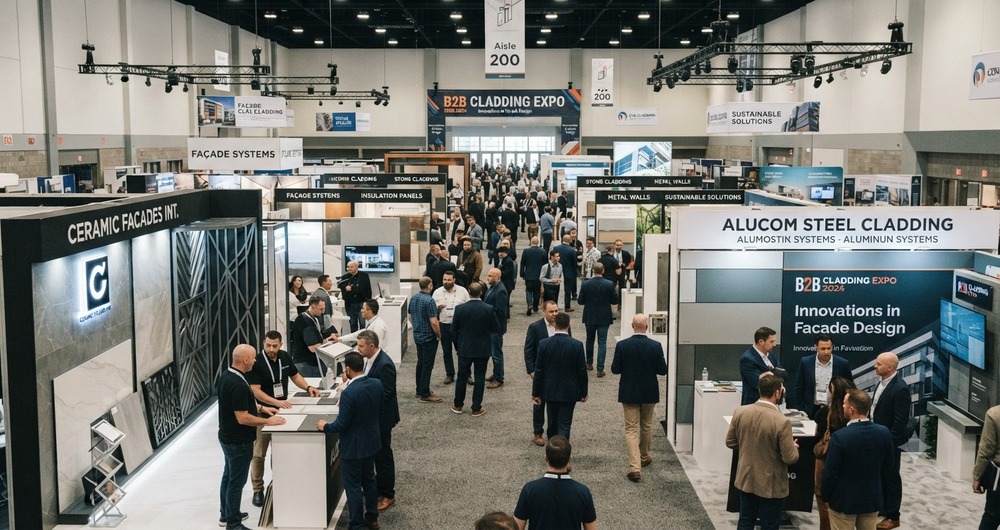
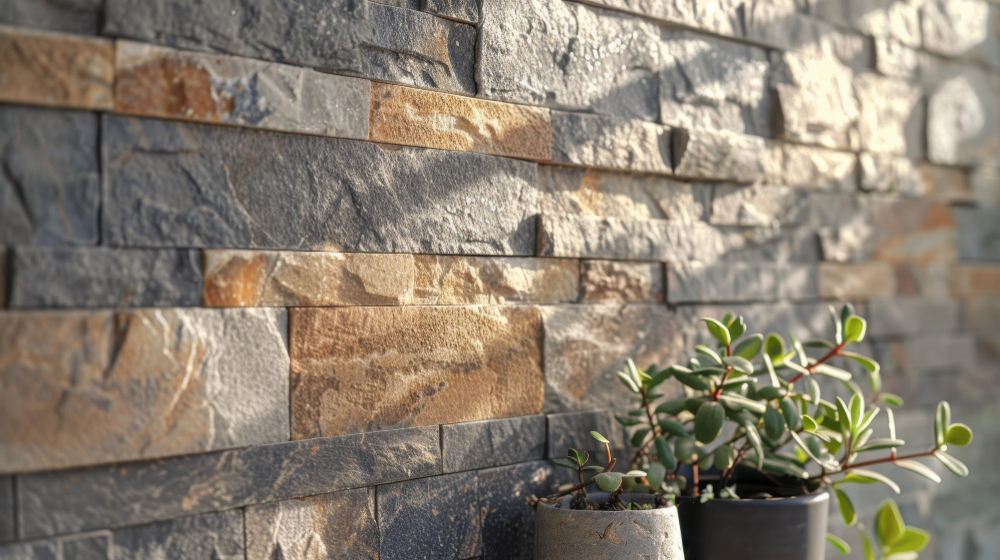
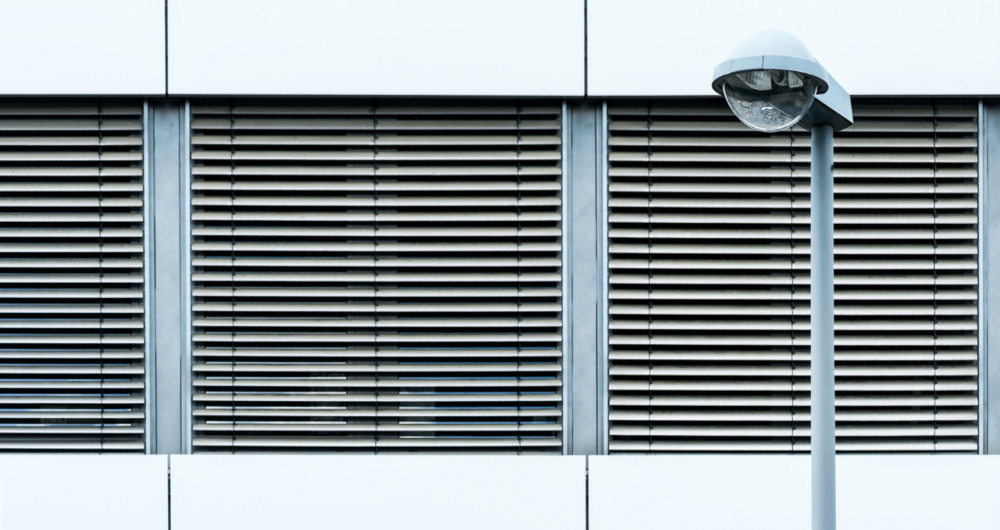
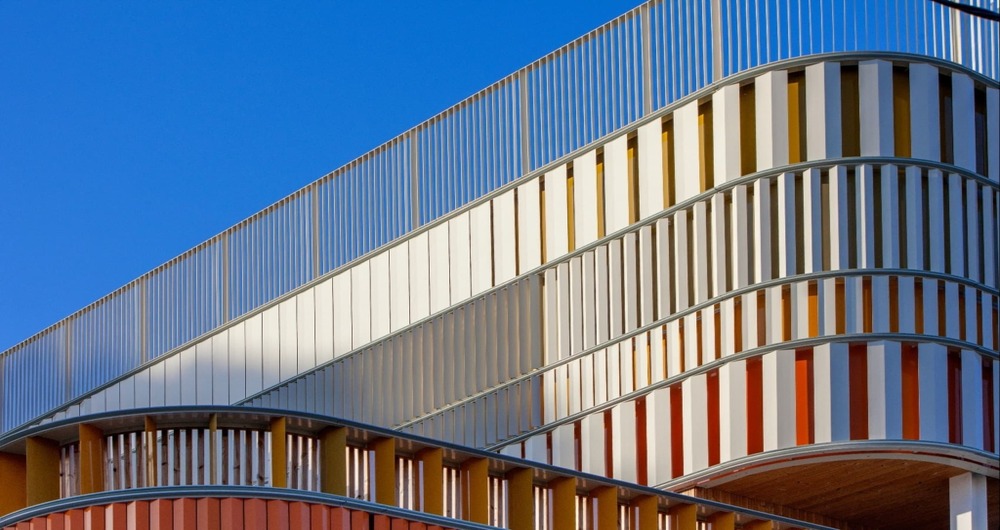
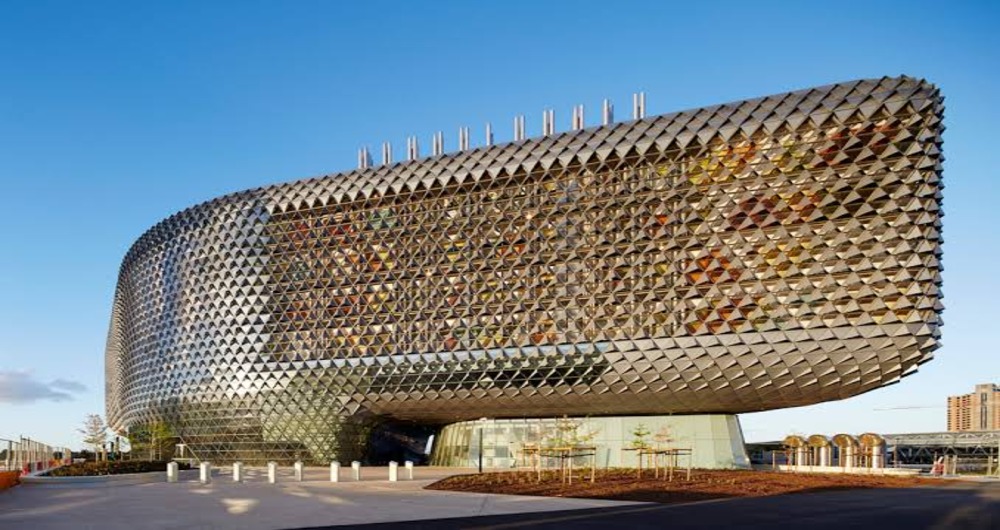
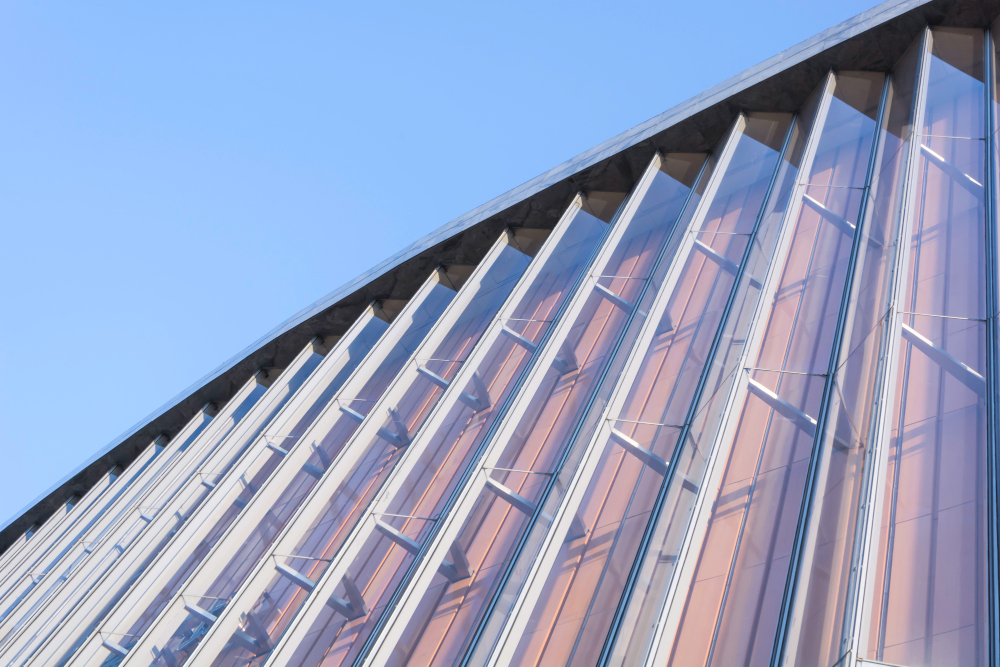
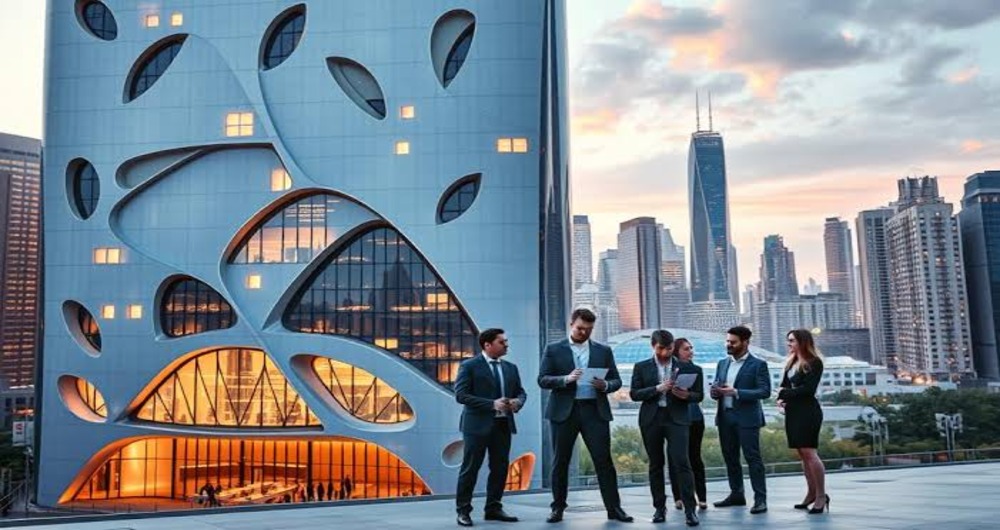
The role of wall cladding has evolved far beyond protecting a building’s exterior. In 2026, architects, developers, and facade consultants are increasingly using wall cladding as a strategic design element that enhances aesthetics, sustainability, energy efficiency, and building performance. As urban skylines continue to transform, innovative cladding solutions are becoming central to modern architectural design. Here are some of the top wall cladding design trends shaping architecture in 2026. 1. Sustainable and Eco-Friendly Cladding Materials Sustainability remains a major priority across the construction industry. Architects are increasingly specifying recyclable, low-carbon, and environmentally responsible materials such as terracotta, fiber cement, recycled metal panels, and Wood Plastic Composite (WPC) cladding. These materials help reduce environmental impact while supporting green building certifications. 2. Mixed-Material Facades Modern buildings are moving away from single-material exteriors. Designers are combining glass, metal, stone, HPL, and WPC cladding systems to create visually dynamic facades. The use of multiple materials adds texture, depth, and architectural character while allowing buildings to achieve both functional and aesthetic objectives. 3. Large-Format Cladding Panels Large-format panels continue to gain popularity due to their sleek appearance and faster installation. These panels create clean, seamless building exteriors with fewer visible joints, making them ideal for commercial developments, corporate offices, airports, and institutional buildings. 4. High-Performance Energy-Efficient Systems Energy efficiency is influencing facade design more than ever. Advanced wall cladding systems now incorporate insulation layers, ventilated facade technologies, and thermal performance enhancements that help reduce energy consumption and improve indoor comfort. 5. Textured and Three-Dimensional Surfaces Architectural facades are becoming more expressive through the use of textured finishes and 3D cladding elements. Geometric patterns, ribbed surfaces, and custom-designed panels create striking visual effects that change throughout the day as lighting conditions evolve. 6. Smart and Responsive Building Envelopes Technology is entering the facade industry through smart cladding systems capable of improving environmental performance. Adaptive facade elements can respond to sunlight, temperature, and weather conditions, helping optimize energy efficiency and occupant comfort. 7. Fire-Safe Cladding Solutions With growing emphasis on building safety regulations, demand for fire-rated wall cladding systems continues to rise. Architects and developers are prioritizing materials that meet stringent fire safety standards without compromising design flexibility. 8. Natural Finishes and Biophilic Design Nature-inspired architecture is influencing wall cladding selections. Wood-look finishes, stone-inspired textures, and earthy color palettes are helping buildings establish stronger visual connections with their surrounding environment while creating a more welcoming appearance. As architecture becomes more sustainable, technology-driven, and performance-focused, wall cladding will continue to play a crucial role in shaping the buildings of the future. From innovative materials to smart facade technologies, the latest cladding trends are helping architects push the boundaries of design and functionality. Discover the Future of Cladding at GCLAD 2026 For manufacturers, suppliers, architects, facade consultants, and construction professionals looking to stay ahead of industry trends, GCLAD 2026 – Global Cladding Solutions Expo provides a dedicated platform to explore the latest wall cladding innovations, facade technologies, materials, and solutions. The event brings together leading brands and decision-makers from across the construction ecosystem, creating opportunities for networking, partnerships, and business growth in the rapidly evolving cladding industry. Whether you’re showcasing your solutions or sourcing the next breakthrough technology, GCLAD 2026 is where the future of wall cladding comes to life.

Read more
What Are the Top Building Insulation Trends in 2026?

Building Insulation Trends Shaping Commercial Construction in 2026

As commercial construction continues to prioritize energy efficiency, sustainability, and occupant comfort, building insulation is becoming a critical component of modern building envelope design. In 2026, insulation is no longer viewed as just a thermal barrier; it is a strategic solution that influences energy performance, regulatory compliance, operational costs, and long-term building value.

Read more
What Is Architectural Cladding and Why Use It?

What Is Architectural Cladding? A Complete Guide for Architects and Builders

Architectural cladding is one of the most important elements in modern construction, serving both functional and aesthetic purposes. It refers to the application of an external layer or material over a building’s structural framework to provide protection, insulation, and visual appeal. Today, architectural cladding is widely used in commercial buildings, residential projects, airports, shopping malls, hospitals, educational institutions, and high-rise developments.

Read more
What Are the Latest Kinetic Façade Trends?

Top Kinetic Facade Trends Shaping Architecture

Architecture is entering a new era where buildings are no longer static structures. Modern buildings are becoming smarter, more responsive, and increasingly interactive. Kinetic façades;  dynamic exterior systems that change or adapt based on environmental conditions; are transforming the way buildings function and perform. From improving energy efficiency to creating visually striking designs, these innovative systems are redefining modern architecture.

Read more
Top Cool Roofing Trends for Modern Buildings

Top Green Roof & Cool Roofing Trends Shaping Construction in 2026

The construction industry is rapidly moving toward smarter, greener, and more energy-efficient solutions. As sustainability becomes a central focus in commercial and industrial projects, green roof systems and cool roofing solutions are gaining significant attention across the building sector. From reducing energy consumption to improving overall building performance, these innovative roofing approaches are becoming an important part of modern construction strategies.

Read more
PUF Panels vs Metal Cladding: Which Is Best?

PUF Panels vs Metal Cladding: Which Solution Fits Modern Industrial Projects?

Industrial buildings today are no longer designed only for functionality. Modern factories, warehouses, processing units, and logistics parks are expected to deliver durability, energy efficiency, faster construction timelines, and strong visual appeal. That’s exactly why both PUF panels and metal cladding systems are gaining massive attention across the industrial construction sector.

Read more
Is HPL Cladding Cost-Effective for Large Projects?

Is HPL Cladding Cost-Effective for Large Projects? A Practical Breakdown for Modern Commercial Construction

When it comes to large-scale commercial and infrastructure projects, cost is never just about the initial material price. Developers, architects, and facade consultants today focus more on long-term value, durability, maintenance, installation efficiency, and lifecycle performance. That is exactly why HPL cladding is becoming a preferred facade solution across modern architecture.

Read more