23 - 25 October 2026

HITEX, HYDERABAD

What Are the Top Façade Trends in 2026?

Façade Engineering Trends Every Cladding Brand Should Watch in 2026

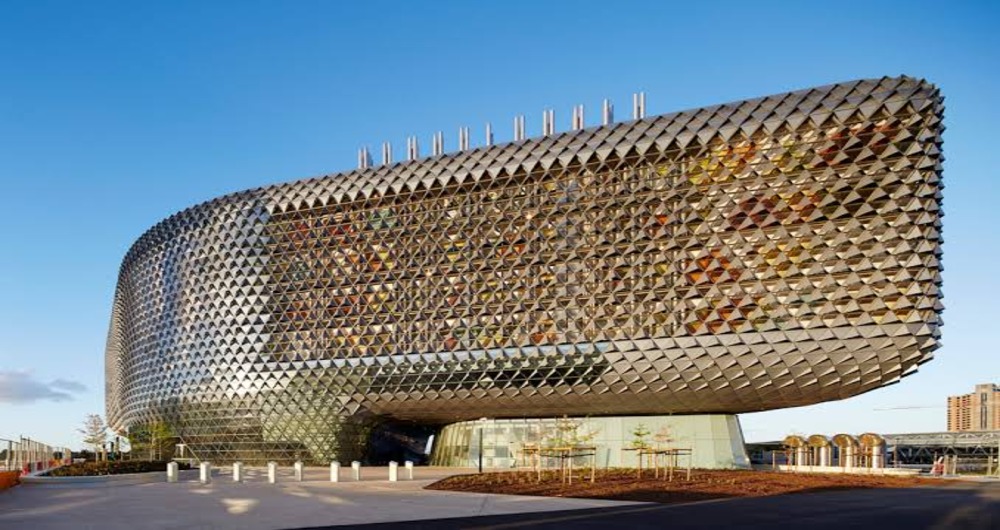
Façade engineering is moving beyond aesthetics. As modern buildings demand better energy performance, durability, safety, and sustainability, façades are becoming increasingly engineered and performance-driven. For cladding and façade brands, this shift creates new opportunities to innovate, differentiate products, and meet the changing expectations of architects, façade consultants, developers, and contractors. Here are some key façade engineering trends shaping the industry in 2026. 1. High-Performance Building Envelopes Modern façades are expected to do much more than protect a building from external conditions. Thermal insulation, moisture control, air tightness, acoustic performance, fire safety, and energy efficiency are becoming important considerations. Cladding brands that combine attractive finishes with measurable performance can gain a stronger position in the evolving building envelope market. Products designed around performance can also help brands meet increasingly demanding project specifications. 2. Lightweight Façade Systems Reducing structural loads while maintaining strength, durability, and weather resistance is becoming increasingly important, particularly in high-rise and large-scale construction. Lightweight panels, advanced composites, aluminium systems, and engineered cladding solutions are helping manufacturers develop façade systems that are easier to transport, handle, and install. This can improve installation efficiency while offering greater flexibility in façade design. 3. Digital Façade Engineering BIM, computational design, 3D modelling, and digital simulation are transforming how façades are designed and engineered. These technologies allow project teams to evaluate façade performance, identify potential design issues, and improve coordination before installation. For manufacturers, BIM-ready components and digital product libraries can also make their systems easier for architects and consultants to specify. 4. Sustainability Meets Engineering Sustainability is becoming closely connected with façade performance. Brands are increasingly exploring recycled materials, recyclable systems, low-impact manufacturing, longer product lifecycles, and improved thermal performance. The opportunity is no longer simply to offer a “green” material but to develop façade solutions that demonstrate sustainability throughout their lifecycle while maintaining performance and visual appeal. 5. Smarter Façade Systems The concept of intelligent façades is gaining attention as buildings become more connected. Dynamic shading, responsive systems, sensors, and automated façade elements can help buildings respond to changing environmental conditions. This opens new possibilities for façade brands working at the intersection of materials, engineering, automation, and building technology. What This Means for Cladding Brands Façade engineering is creating a market where product performance can be just as important as appearance. Brands that invest in engineering capabilities, testing, digital tools, sustainable materials, and installation efficiency can be better positioned to meet future project requirements. For manufacturers and suppliers, keeping pace with these developments can also open doors to new collaborations with architects, façade consultants, contractors, and developers. Connect with the Façade & Cladding Industry at GCLAD GCLAD brings together the global cladding and façade ecosystem, creating opportunities for brands to showcase products, connect with industry professionals, explore emerging technologies, and build valuable business relationships. GCLAD Expo 2026 is scheduled for 23–25 October 2026 at HITEX, Hyderabad. If your brand is looking to showcase innovative façade engineering solutions, advanced cladding systems, materials, or technologies, GCLAD 2026 is an opportunity to put your brand in front of the right industry audience.

Read more
Types of Commercial Ventilation

Types of Ventilation Systems Used in Modern Commercial Buildings

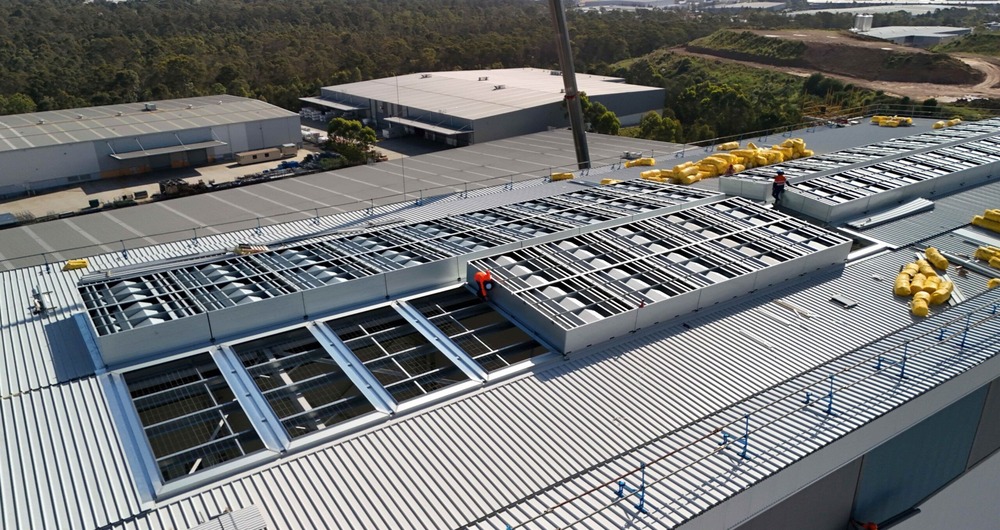
As commercial buildings become smarter, more sustainable, and energy-efficient, ventilation systems have become a vital part of modern building design. From office complexes and hospitals to airports, shopping malls, and industrial facilities, the right ventilation strategy ensures healthy indoor environments while supporting operational efficiency and compliance with building standards. For architects, façade consultants, developers, MEP engineers, and HVAC professionals, understanding the different types of ventilation systems is essential for designing high-performance commercial spaces.

Read more
Why Façade Brands Need High-Performance Coatings

How High-Performance Coatings Help Façade Brands Win Large Infrastructure Projects

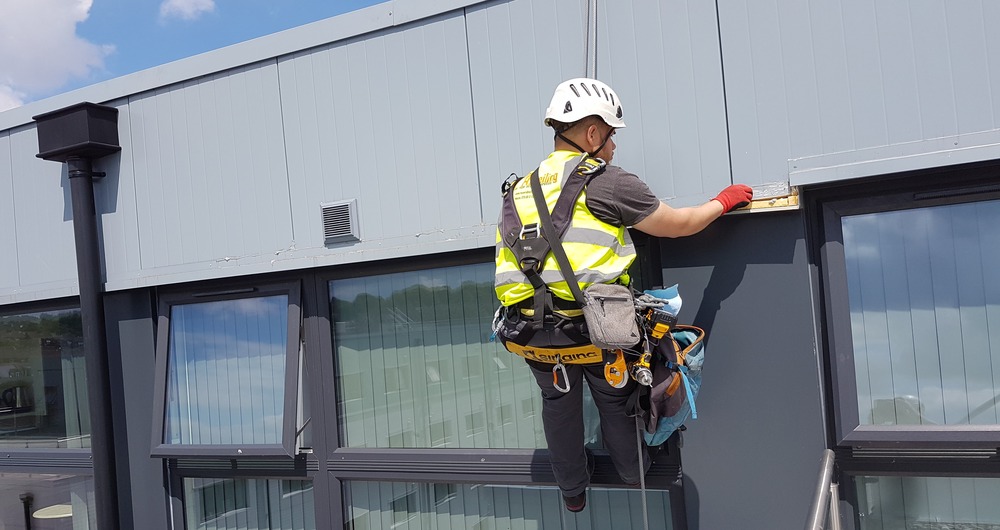
Today’s infrastructure projects demand more than visually appealing façades. Airports, metro stations, commercial towers, hospitals, industrial facilities, and public buildings require exterior systems that deliver long-term durability, low maintenance, and reliable performance. High-performance coatings have therefore become a strategic advantage for façade brands looking to secure large infrastructure projects.

Read more
What Are the Latest Wall Cladding Design Trends?

Top Wall Cladding Design Trends Transforming Architecture in 2026

The role of wall cladding has evolved far beyond protecting a building’s exterior. In 2026, architects, developers, and facade consultants are increasingly using wall cladding as a strategic design element that enhances aesthetics, sustainability, energy efficiency, and building performance. As urban skylines continue to transform, innovative cladding solutions are becoming central to modern architectural design. Here are some of the top wall cladding design trends shaping architecture in 2026.

Read more
What Are the Top Building Insulation Trends in 2026?

Building Insulation Trends Shaping Commercial Construction in 2026

As commercial construction continues to prioritize energy efficiency, sustainability, and occupant comfort, building insulation is becoming a critical component of modern building envelope design. In 2026, insulation is no longer viewed as just a thermal barrier; it is a strategic solution that influences energy performance, regulatory compliance, operational costs, and long-term building value.

Read more
What Is Architectural Cladding and Why Use It?

What Is Architectural Cladding? A Complete Guide for Architects and Builders

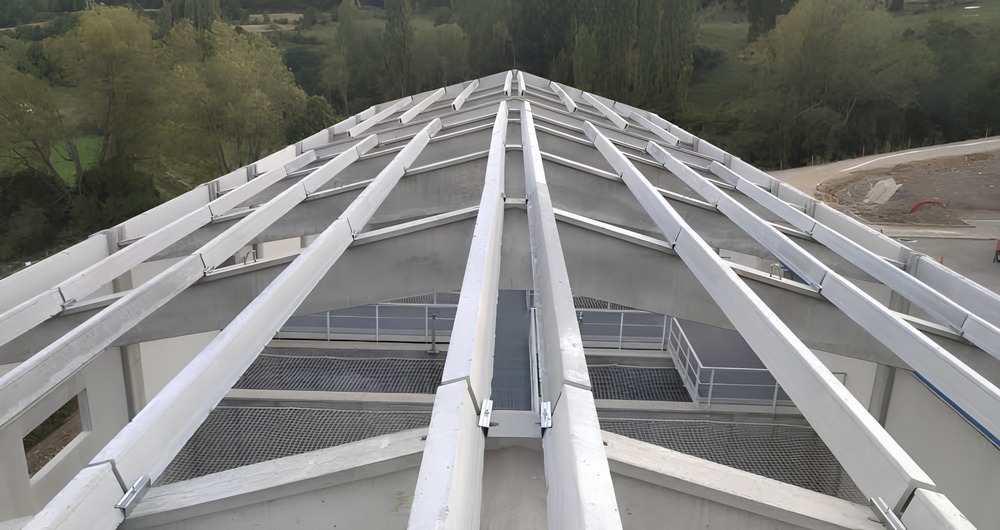
Architectural cladding is one of the most important elements in modern construction, serving both functional and aesthetic purposes. It refers to the application of an external layer or material over a building’s structural framework to provide protection, insulation, and visual appeal. Today, architectural cladding is widely used in commercial buildings, residential projects, airports, shopping malls, hospitals, educational institutions, and high-rise developments.

Read more