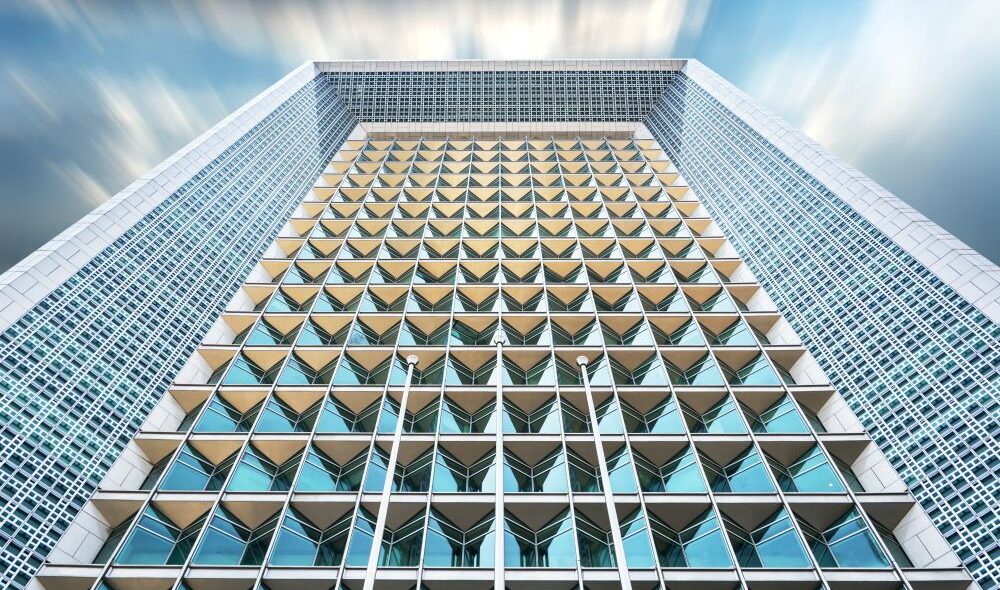
Architecture is entering a new era where buildings are no longer static structures. Modern buildings are becoming smarter, more responsive, and increasingly interactive. Kinetic façades; dynamic exterior systems that change or adapt based on environmental conditions; are transforming the way buildings function and perform. From improving energy efficiency to creating visually striking designs, these innovative systems are redefining modern architecture.
As sustainability and intelligent design continue to influence the construction industry, here are the top kinetic façade trends shaping architecture in 2026.
1. AI-Powered Adaptive Façades
Artificial intelligence is playing a major role in the evolution of kinetic façades. Modern systems can now analyze real-time environmental data such as sunlight intensity, temperature, wind speed, and occupancy patterns. These façades automatically adjust shading elements, ventilation systems, or movable panels to optimize building performance.
AI-driven adaptive systems help reduce energy consumption while enhancing indoor comfort.
2. Dynamic Solar Shading Systems
One of the biggest trends in 2026 is the growing adoption of dynamic shading solutions. Unlike traditional fixed shading elements, kinetic shading systems can move and reposition throughout the day based on the sun’s path.
Benefits include:
- Reduced heat gain
- Lower cooling costs
- Improved natural daylight usage
- Better occupant comfort
Commercial buildings and high-rise structures are increasingly integrating movable louvers and responsive shading panels.
3. Integration of Smart Sensors
Smart sensor technology is becoming a standard component of advanced façade systems. Sensors can detect temperature changes, sunlight exposure, air quality, and weather conditions.
By responding automatically to external conditions, buildings can improve operational efficiency while reducing dependence on manual control systems.
4. Sustainable and Energy-Efficient Building Skins
Sustainability remains a major focus across the construction sector. Kinetic façades are evolving into energy-generating and energy-saving systems.
Emerging solutions include:
- Solar-integrated façade panels
- Self-shading systems
- Natural ventilation façades
- Energy-harvesting technologies
These systems support green building goals and contribute toward sustainable construction practices.
5. Biomimicry-Inspired Façade Designs
Architects are increasingly drawing inspiration from nature. Biomimicry-based kinetic façades imitate natural movements and behaviors found in plants and living organisms.
Examples include façade systems that open and close like flower petals or adapt similarly to biological structures responding to sunlight and temperature.
6. Personalized Occupant Comfort Systems
Modern building design is shifting beyond aesthetics and energy savings toward user experience. Future kinetic façades can adapt to the needs of occupants by controlling light, airflow, and thermal conditions within specific zones of a building.
This creates healthier and more comfortable indoor environments.
The Future of Kinetic Architecture
Kinetic façade technology is moving beyond being a design feature and becoming an essential part of high-performance buildings. As architects, developers, and engineers continue seeking smarter and more sustainable solutions, adaptive building envelopes will play a larger role in shaping future cities.
Stay connected with GCLAD Expo to discover emerging innovations, smart façade technologies, and next-generation building solutions driving the future of architecture.