
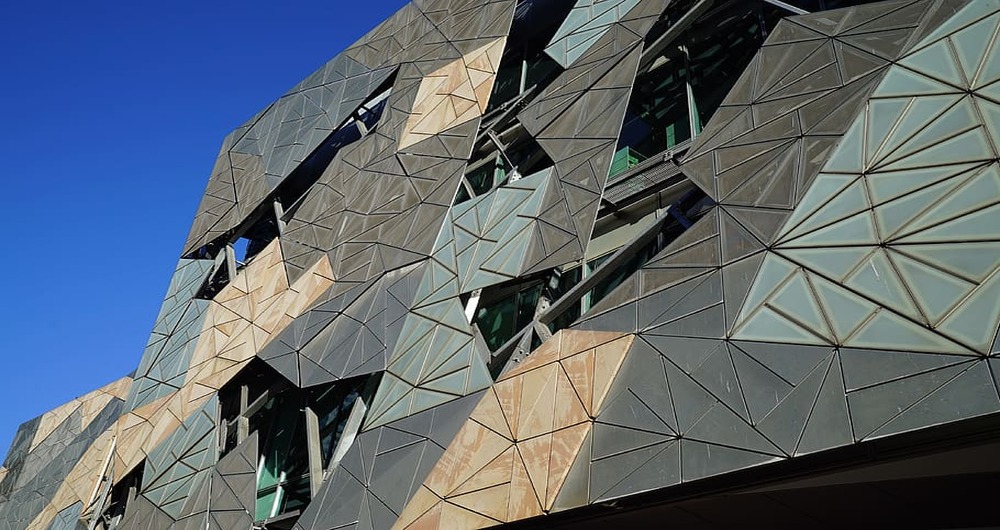
Architectural cladding is one of the most important elements in modern construction, serving both functional and aesthetic purposes. It refers to the application of an external layer or material over a building’s structural framework to provide protection, insulation, and visual appeal. Today, architectural cladding is widely used in commercial buildings, residential projects, airports, shopping malls, hospitals, educational institutions, and high-rise developments.
Why Is Architectural Cladding Important?
Architectural cladding acts as a protective shield for buildings. It helps safeguard structures from harsh weather conditions, moisture, UV exposure, wind, and temperature fluctuations. In addition to enhancing durability, cladding significantly improves a building’s appearance, allowing architects to create unique and visually striking façades.
Modern cladding systems also contribute to energy efficiency by improving thermal insulation, reducing heat gain, and lowering energy consumption. As sustainability becomes a key focus in construction, high-performance cladding solutions are increasingly being adopted in green building projects.
Types of Architectural Cladding Materials
Several cladding materials are available to suit different design and performance requirements:
Aluminium Composite Panels (ACP)
Lightweight, durable, and versatile, ACP cladding is widely used for commercial and corporate buildings.
High-Pressure Laminate (HPL)
Known for its durability and weather resistance, HPL cladding offers a wide range of textures and finishes.
Stone Cladding
Natural stone cladding provides a premium appearance and long-lasting performance for luxury and institutional projects.
Terracotta Cladding
An eco-friendly option that combines natural aesthetics with excellent thermal performance.
Glass Façade Systems
Popular in contemporary architecture, glass façades create modern, transparent, and visually appealing structures.
Wood and WPC Cladding
Wood Plastic Composite (WPC) and natural wood cladding offer warmth, elegance, and sustainability in architectural design.
Key Benefits of Architectural Cladding
- Enhances building aesthetics and visual identity
- Protects structures from environmental damage
- Improves thermal and acoustic insulation
- Supports sustainable and energy-efficient construction
- Increases building lifespan and reduces maintenance costs
- Offers design flexibility with various materials, textures, and finishes
Choosing the Right Cladding System
When selecting a cladding system, architects and builders should consider factors such as building type, climate conditions, fire safety requirements, maintenance needs, sustainability goals, and project budget. The right cladding solution can significantly improve both the performance and appearance of a building.
As the construction industry continues to evolve, architectural cladding remains a key driver of innovation, sustainability, and design excellence.
Looking to explore the latest advancements in architectural cladding, façades, fenestration, roofing, and building envelope solutions? Visit the GCLAD Expo The India’s only platform connecting architects, developers, consultants, contractors, manufacturers, and industry leaders to showcase cutting-edge cladding solutions shaping the future of the built environment.