
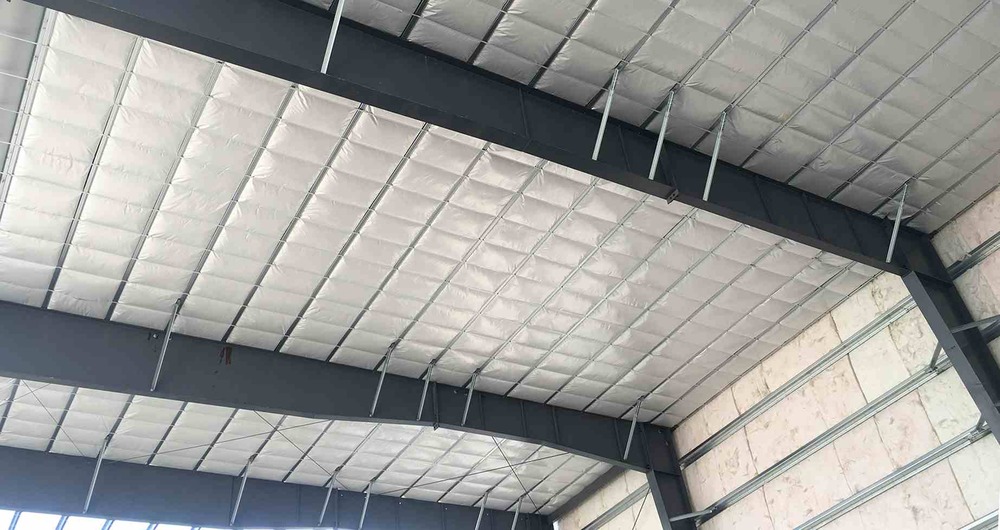
As commercial construction continues to prioritize energy efficiency, sustainability, and occupant comfort, building insulation is becoming a critical component of modern building envelope design. In 2026, insulation is no longer viewed as just a thermal barrier; it is a strategic solution that influences energy performance, regulatory compliance, operational costs, and long-term building value.
1. Increased Demand for High-Performance Insulation
Developers and building owners are increasingly investing in high-performance insulation materials that offer superior thermal resistance while minimizing wall thickness. Advanced insulation solutions help commercial buildings reduce energy consumption, improve HVAC efficiency, and achieve better overall building performance.
2. Focus on Sustainable and Low-Carbon Materials
Sustainability remains a major driver across the construction industry. Manufacturers are introducing insulation products with recycled content, lower embodied carbon, and improved environmental credentials. As ESG goals become a priority for organizations, sustainable insulation materials are gaining widespread adoption in commercial projects.
3. Integration with Modern Facade Systems
The relationship between insulation and facade design is becoming stronger than ever. Architects and facade consultants are increasingly specifying integrated systems where insulation, cladding, air barriers, and weatherproofing components work together to optimize building envelope performance. This integrated approach improves thermal efficiency while enhancing aesthetics.
4. Greater Emphasis on Fire Safety
Fire performance is a key consideration in material selection, particularly for high-rise and large commercial developments. Insulation manufacturers are focusing on products that meet stringent fire safety regulations while maintaining thermal and acoustic performance requirements.
5. Growth of Prefabricated and Modular Construction
The rise of prefabrication is driving demand for insulation solutions that can be seamlessly incorporated into factory-built wall and facade systems. Insulated sandwich panels and modular building components are helping reduce construction timelines while improving quality control and energy efficiency.
6. Smart Building Performance and Energy Optimization
As commercial buildings become smarter, insulation is playing a larger role in achieving operational efficiency. High-performance building envelopes help reduce energy demand, support smart HVAC systems, and contribute to long-term cost savings for facility owners.
Looking Ahead
The future of commercial construction is being shaped by smarter, safer, and more sustainable building envelope solutions. As insulation technologies continue to evolve, they will play a crucial role in helping developers, architects, and contractors meet performance expectations while supporting global sustainability goals.
Explore the latest innovations in insulation, facades, and building envelope technologies at GCLAD Expo 2026, where industry leaders, manufacturers, architects, and construction professionals come together to shape the future of the built environment.