
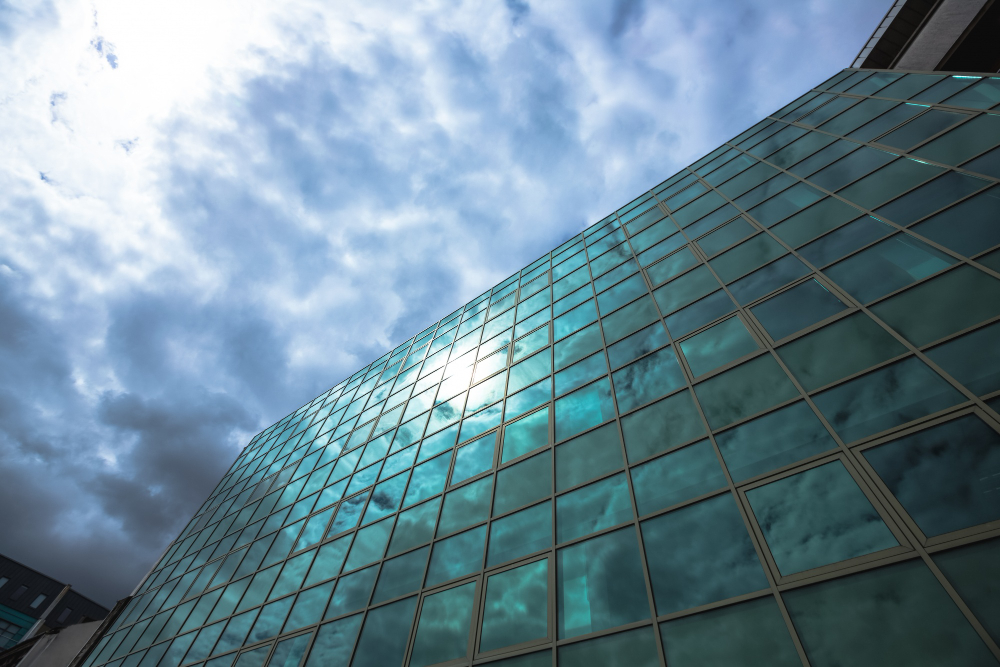
The evolution of façade architecture is redefining how modern buildings perform, look, and interact with their environment. Today, architects are no longer focused solely on aesthetics; they are actively seeking intelligent, efficient, and sustainable façade solutions that align with global environmental goals and occupant comfort.
The Shift Toward Sustainable Façade Solutions
A major trend shaping façade design is sustainability. Architects are prioritizing sustainable façade systems that improve energy efficiency, reduce carbon footprint, and comply with green building standards. Materials such as high-performance glass, recycled aluminium panels, and ventilated façade systems are gaining popularity. These solutions not only enhance thermal insulation but also contribute to long-term operational savings.
Performance-Driven Façade Architecture
Modern façade architecture is expected to go beyond visual appeal. Architects are now focusing on performance metrics such as thermal efficiency, acoustic insulation, and weather resistance. Double-skin façades and dynamic shading systems are increasingly integrated into façade design to optimize indoor climate control while maintaining exterior aesthetics.
Technology Integration in Facade Design
Digital innovation is transforming façade design processes. From parametric modeling to Building Information Modeling (BIM), architects are leveraging advanced tools to design complex and efficient sustainable façade systems. Smart façades equipped with sensors and automation are also emerging, allowing buildings to respond to environmental conditions in real time.
Customization and Aesthetic Flexibility
Architects are demanding greater flexibility in façade architecture to achieve unique visual identities. Custom perforations, textured panels, and mixed-material façades are becoming key elements of modern façade design. At the same time, these designs must still align with sustainable façade principles, balancing creativity with responsibility.
Key Priorities for Architects Today
- Integration of sustainable façade materials and systems
- High-performance façade architecture with energy efficiency
- Advanced digital tools for precise façade design
- Adaptability to different climates and building types
- A balance between innovation and cost-effectiveness
Conclusion
The future of façade architecture lies in innovation that seamlessly blends sustainability, technology, and design excellence. As demand grows for high-performance buildings, architects will continue to prioritize sustainable façade solutions that deliver both environmental and aesthetic value. For industry players, aligning with these expectations in façade design will be key to staying competitive in a rapidly evolving market.