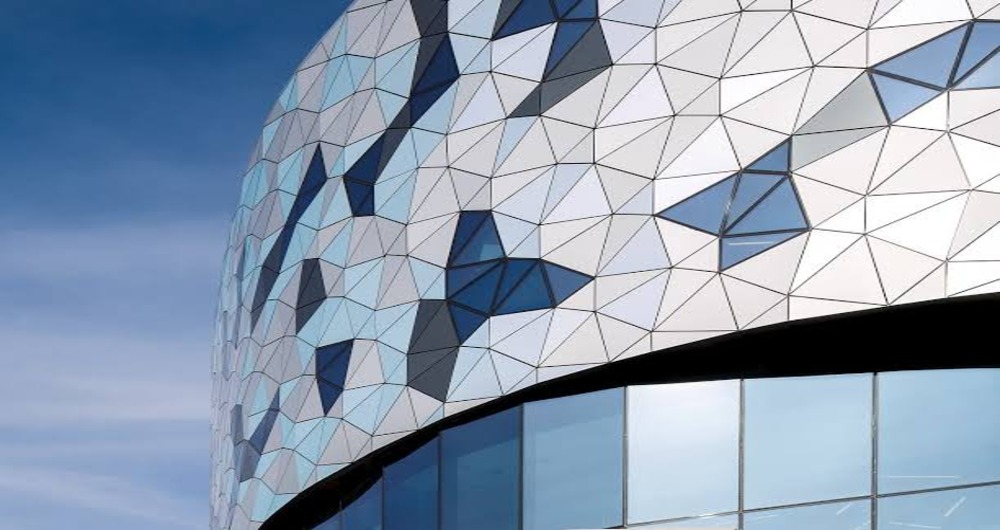
The modern skyline is evolving rapidly, and curtain wall glazing systems are playing a major role in shaping the next generation of commercial, institutional, and mixed-use buildings. As architects and developers seek greater energy efficiency, sustainability, aesthetics, and occupant comfort, curtain wall technologies continue to advance at an impressive pace.
Here are the top curtain wall glazing trends transforming architecture in 2026.
1. High-Performance Energy-Efficient Glazing
Energy efficiency remains a top priority across the construction industry. Advanced low-emissivity (Low-E) glass, double and triple-glazed units, and solar control coatings are helping buildings reduce heat gain while maximizing natural daylight.
These glazing solutions contribute significantly to lower energy consumption, improved thermal performance, and compliance with increasingly stringent green building standards.
2. Smart Glass and Dynamic Facades
Smart glazing technologies are gaining momentum in commercial architecture. Electrochromic and thermochromic glass systems can automatically adjust tint levels based on sunlight intensity and temperature.
This dynamic response helps improve indoor comfort, reduce glare, and lower HVAC loads while creating highly adaptable building facades.
3. Unitized Curtain Wall Systems
Unitized curtain wall systems continue to grow in popularity due to their faster installation, improved quality control, and reduced on-site labor requirements.
Manufactured off-site and assembled as complete panels, these systems enable quicker project delivery while ensuring consistent performance and precision.
4. Sustainable and Low-Carbon Building Envelopes
Sustainability is influencing every aspect of facade design. Architects are increasingly specifying recyclable aluminum framing, environmentally responsible glass manufacturing processes, and high-performance glazing systems that support net-zero building goals.
Curtain wall systems are becoming critical components in achieving green building certifications and reducing overall carbon footprints.
5. Larger Glass Panels and Minimalist Aesthetics
Contemporary architecture continues to embrace transparency and uninterrupted views. Advances in glass manufacturing and structural engineering now allow for larger glazing panels with slimmer framing systems.
The result is cleaner, more elegant building facades that maximize daylight while creating visually striking architectural statements.
6. Double-Skin Facades
Double-skin facade systems are attracting attention for their ability to enhance energy efficiency and occupant comfort. By creating an insulating air cavity between two layers of glazing, these systems improve thermal performance, reduce noise, and support natural ventilation strategies.
As sustainability targets become more ambitious, double-skin facades are expected to see wider adoption.
7. Integration of Digital Design and BIM
Building Information Modeling (BIM) and advanced digital design tools are revolutionizing curtain wall projects. These technologies allow architects, engineers, fabricators, and contractors to collaborate more effectively, detect clashes early, and optimize facade performance before construction begins.
Digital workflows are reducing project risks while improving efficiency and accuracy.
Curtain wall glazing is no longer just an architectural feature—it has become a critical element in building performance, sustainability, and user experience. From smart glass and unitized systems to energy-efficient facades and digital design integration, the innovations emerging in 2026 are redefining what modern buildings can achieve.
As demand for advanced facade solutions continues to grow, industry professionals can explore the latest technologies, materials, and market opportunities at GCLAD Expo 2026, India’s dedicated platform for cladding, facade, glazing, and building envelope innovations. Bringing together architects, developers, consultants, manufacturers, and solution providers, GCLAD Expo offers a valuable opportunity to connect, collaborate, and stay ahead of the trends shaping the future of architecture.